
Helping to revitalise and preserve Aboriginal Language through design of gamified experiences
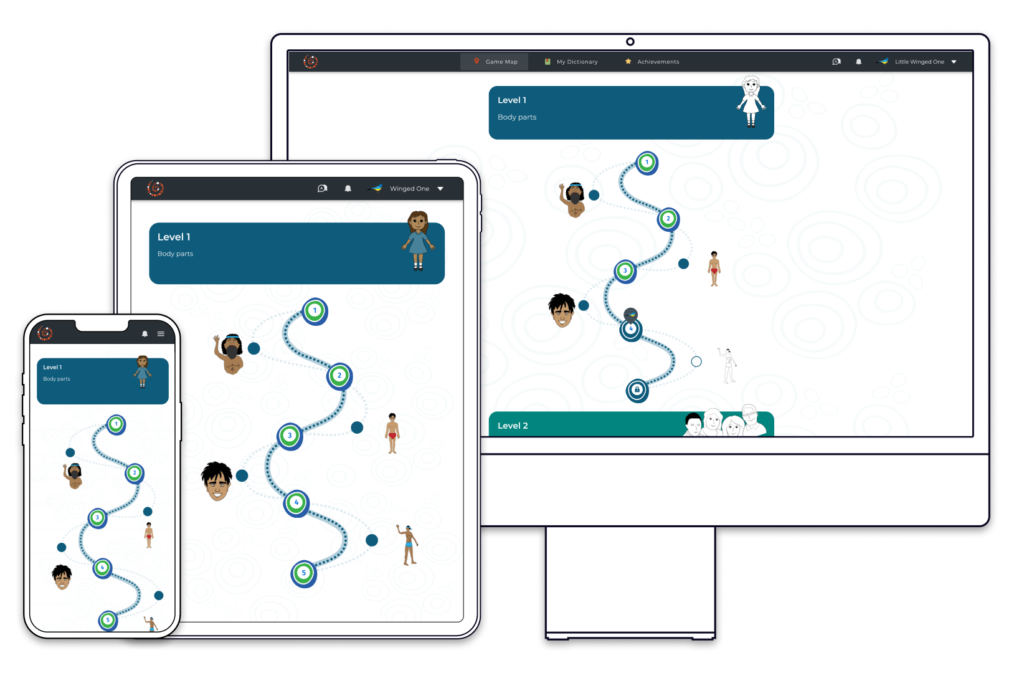
A customisable language learning application that supports the learning and revitalisation of Aboriginal Languages.
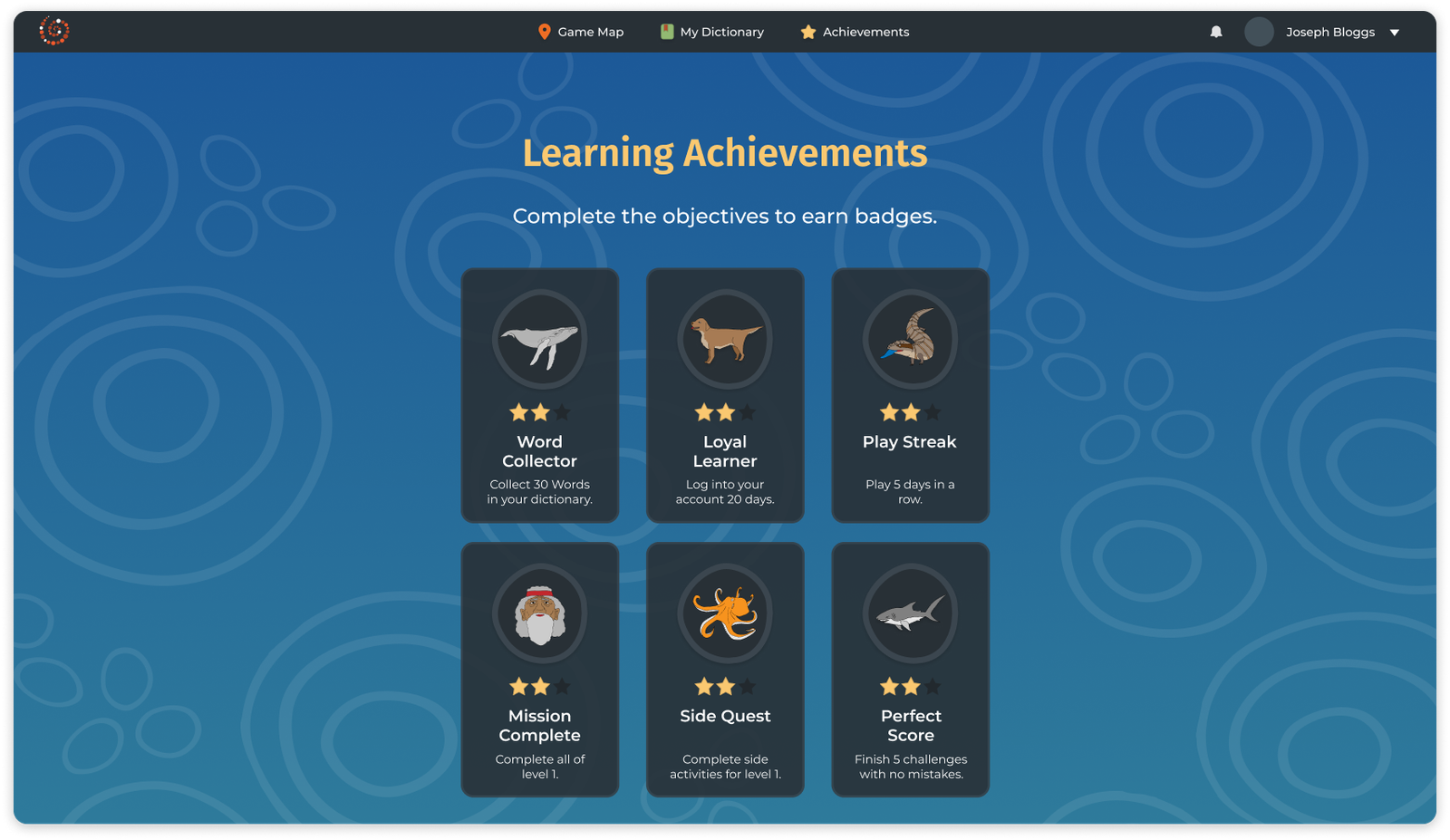
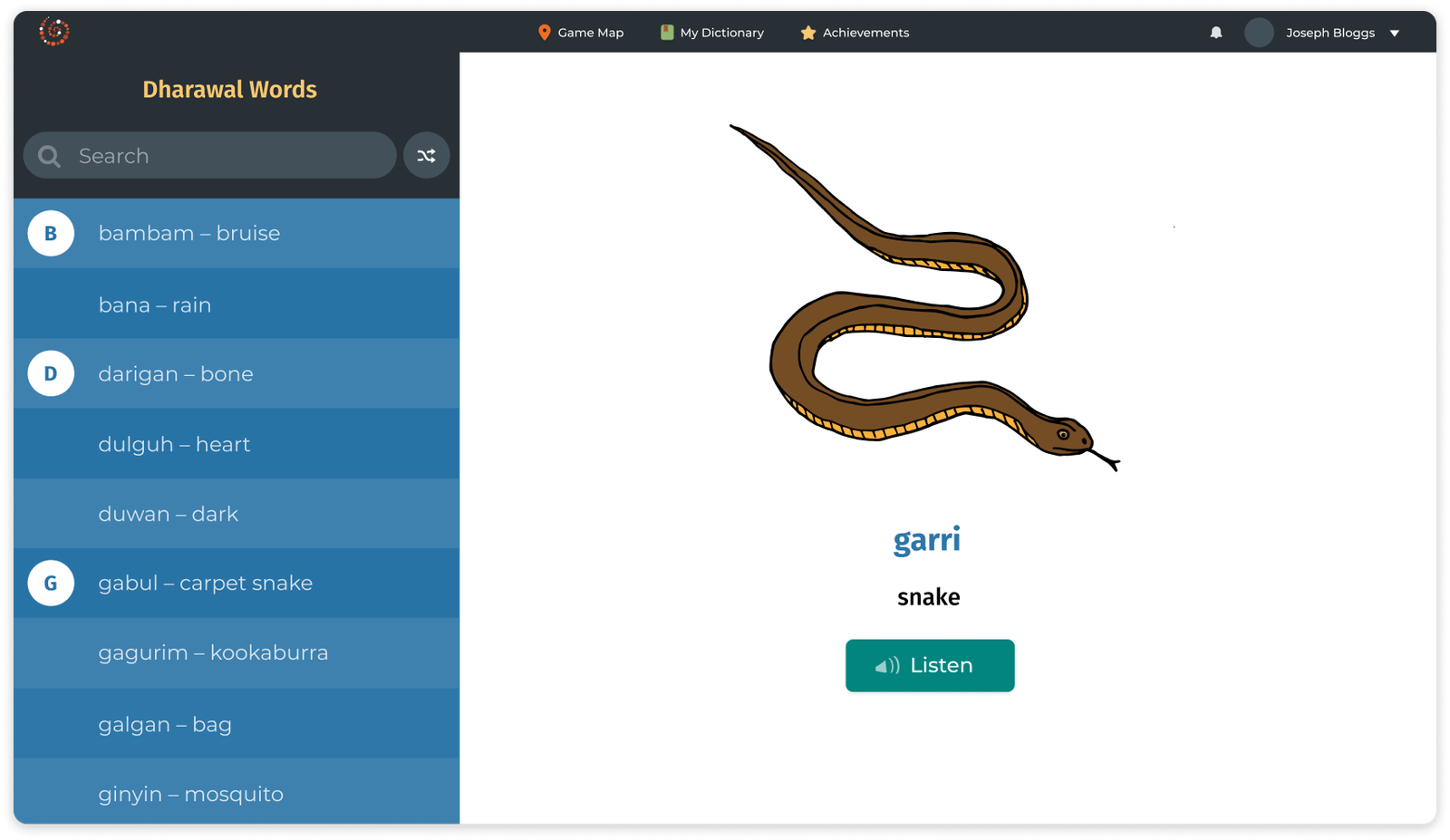
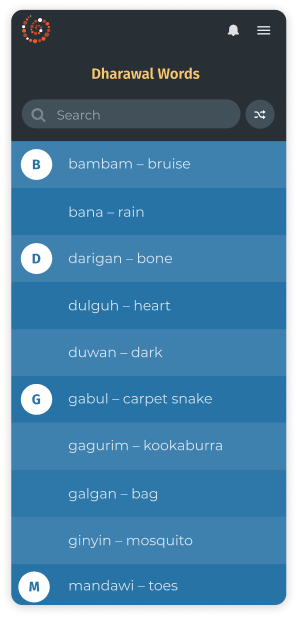
The app gives Aboriginal Communities ownership of their language through control of the dictionary and game creation process and allows for educators to view students’ language learning progress.
My role
Played a key role in scoping and design of the platform, creating designs and game flows.
Additionally supported front-end development, managed developer tasks and application updates.
Facilitated content delivery in sessions and communications with stakeholders.
Outcomes
- Initial designs played a key role in securing investment in the development of the app.
- Onboarded pilot group to create their custom learning experience for the Dharawal Language, with the experience live in production.
- A viable product was created to demonstrate to and onboard subsequent language groups.
Designs
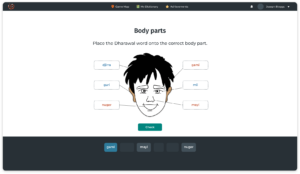
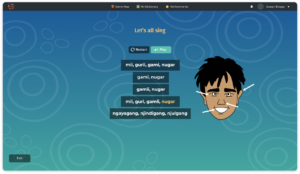
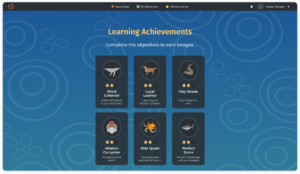
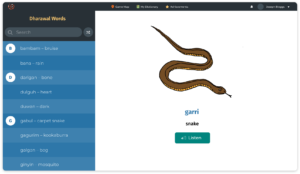
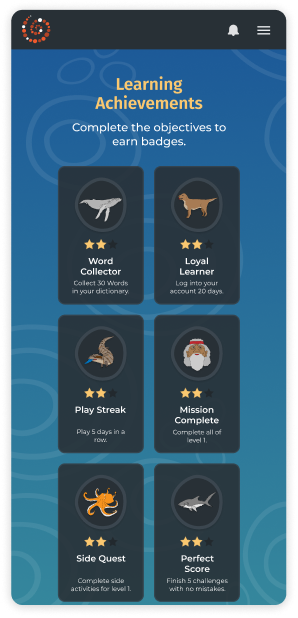
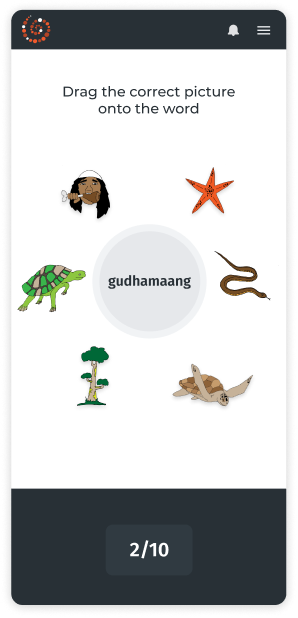
How did we get here?
Problem
Younger generations are losing Aboriginal cultural connection as oral languages fade. While some classrooms teach actively, others lack accessible tools for self-paced learning outside formal settings or the resources to start formal programs.
Background
Australian Aboriginal Culture and Identity is gradually being lost as newer generations lose connection to their culture and Identity. As a result, Aboriginal Languages in Australia are facing the prospect of eventual extinction.
Aboriginal Languages have traditionally been passed down aurally and had no written component making them difficult to pass on. Efforts are being made by Community groups to revitalise and preserve Aboriginal Language through active teaching in a classroom setting.
Goals
Burraga Foundation wanted to create a tool that would foster active interest in the learning of Aboriginal Language by young people, motivating them to learn and consequently, preserving and helping revitalisation efforts going into the future.
The goal was to:
- Make Learning Fun and Engaging for the student.
- Provide a complementary tool for teachers already teaching language in the classroom.
- Onboard the Dharawal Community as the first Community to use the app as a tool in their Dharawal language teaching process.
- Have this initial community serve as a demonstration to subsequent onboarding communities.
Who?
We were designing this for:
- Student – A primary school aged child who will be learning Aboriginal Language in a class setting
- Teacher – The facilitator of the language learning of the students. They conduct the lessons as an in-class learning experience.
Later the project evolved a need for communities to be able to construct their language dictionaries and games, and manage user access themselves. So a third user type emerged:
- Administrator – The administrator of the platform can build dictionaries, can build game experiences and connect teachers and students to their build experience.
Needs and use cases
- As a teacher, I want to use the app in the classroom as a supplementary tool so that it supports my existing language lesson plans.
- As a student, I want to us the app at home for practise or homework so that I can keep learning outside of class.
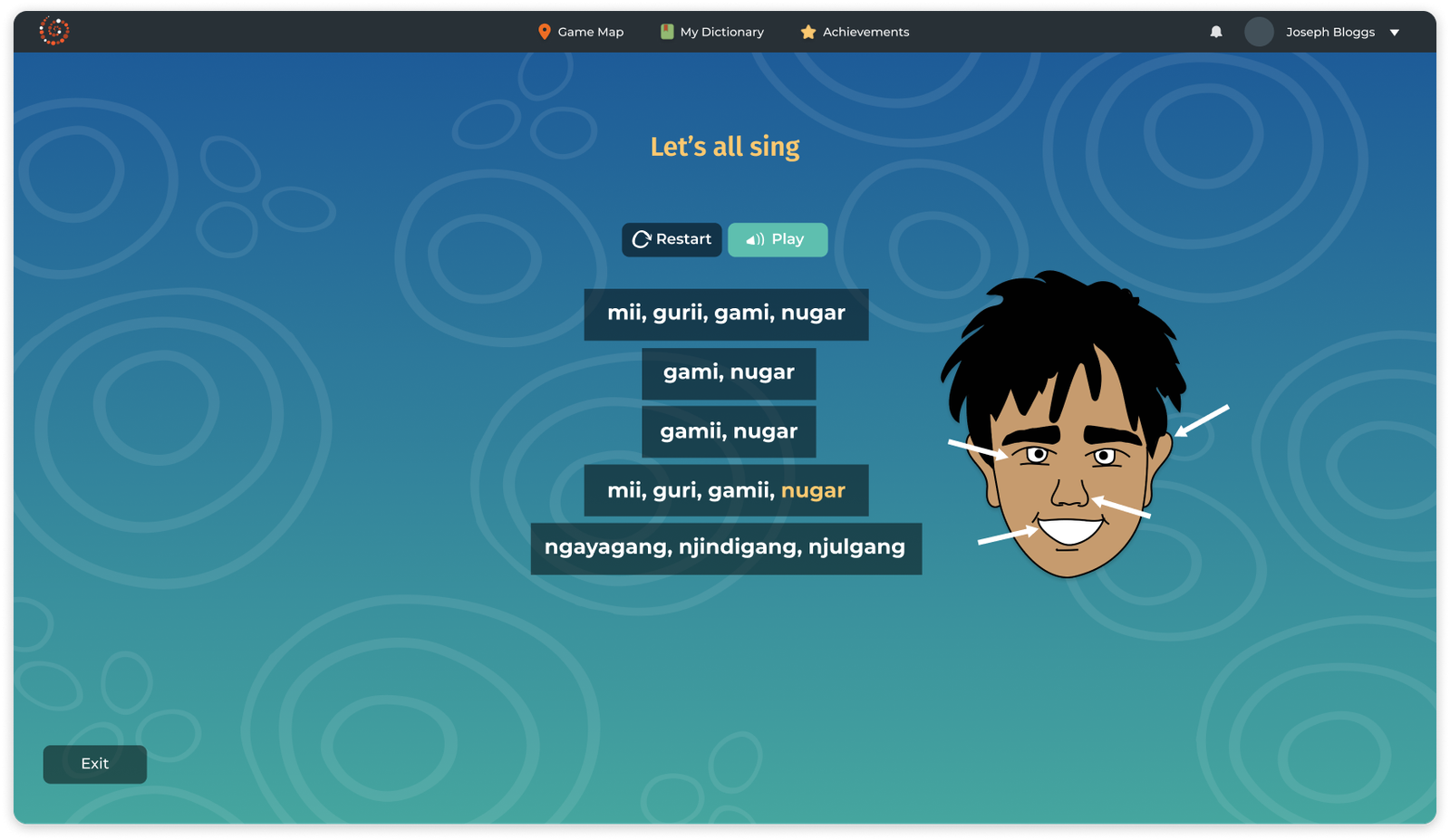
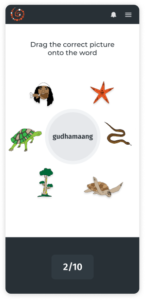
- As a younger student who may not read well, I need the app to be accessible through visuals and audio so that I can still learn and engage.
Constraints/Points to Consider
- Community members are vigilant against those who might be trying to take advantage of or misuse cultural knowledge and language. There must be an emphasis on trust and Community consultation and ownership throughout.
- The application should be available on desktop and iOS and android platforms. Time and budget limitations will not allow separate dedicated solutions to be created. Solution for this was to use the ionic framework which would mean the project could be built using one codebase and be outputted into all required formats.
- Limited access to lead developer who was not on the project full-time. Part of the solution for this was to use the headless CMS Directus to enable back-end functionality without having to create a custom solution from scratch.
- Limited number of designers and developers available ( initially a team of 2 – 1 lead designer and lead developer – and then expanding to 2 developers once more budget was secured, and the lead developer guiding development part-time).
- There was a considerable amount of scope creep as the project was ever-evolving and features were revised or added as the team got feedback from users and stakeholders.
Research
Looking at other similar products:
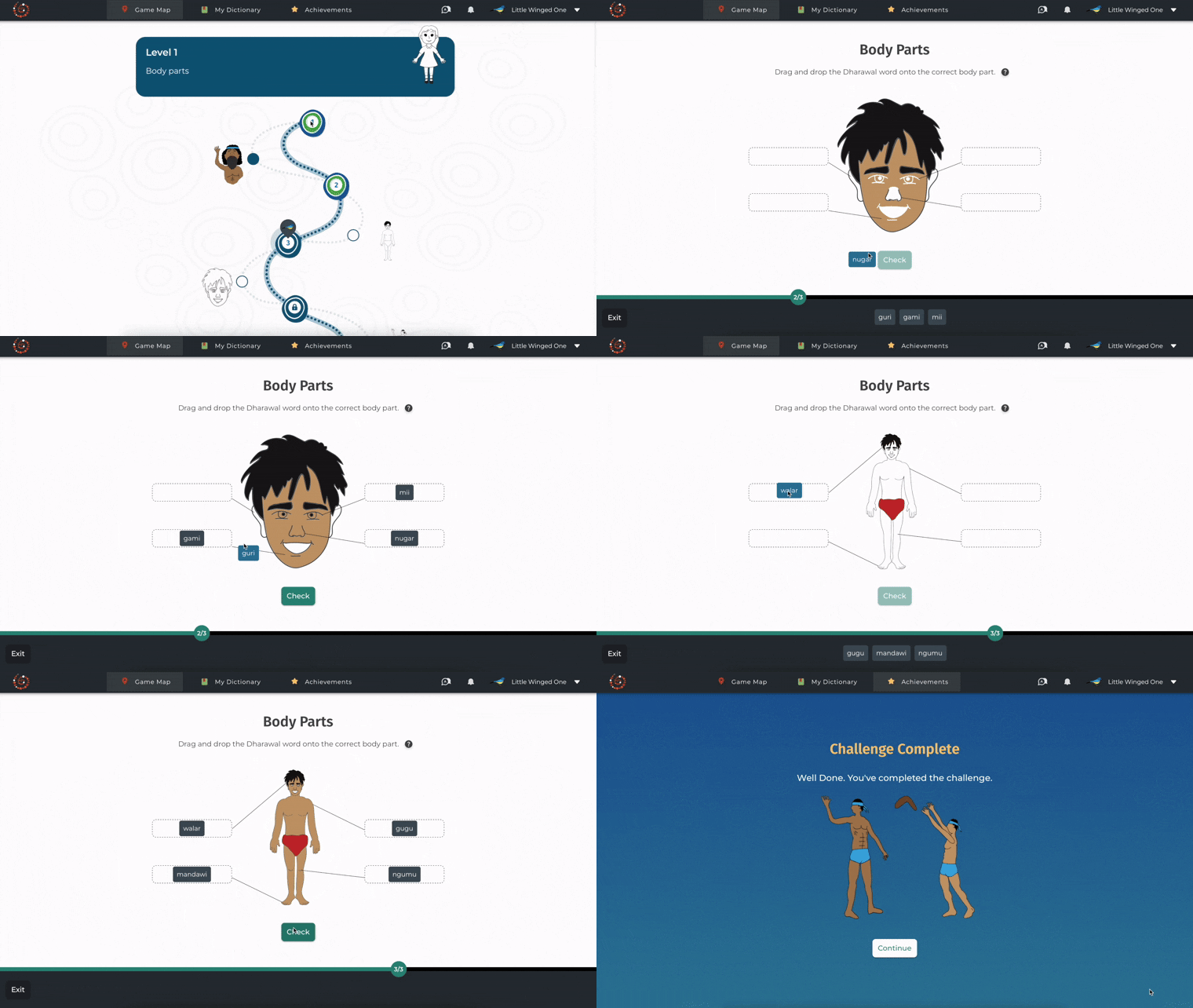
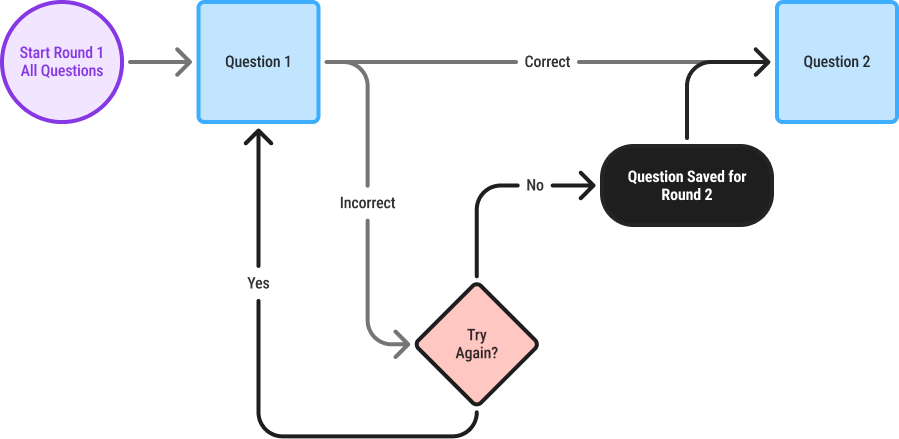
- Repetition is important in the language learning process. I applied this by designing a flow where students must retry incorrect answers before progressing.
- An initial questioning of the learner’s proficiency is beneficial to guide content delivery.
Speaking to teachers:
Experience would be aligned to in-class material. Though questioning was included in the initial designs, it was later discarded.
So, how do we play through a level?

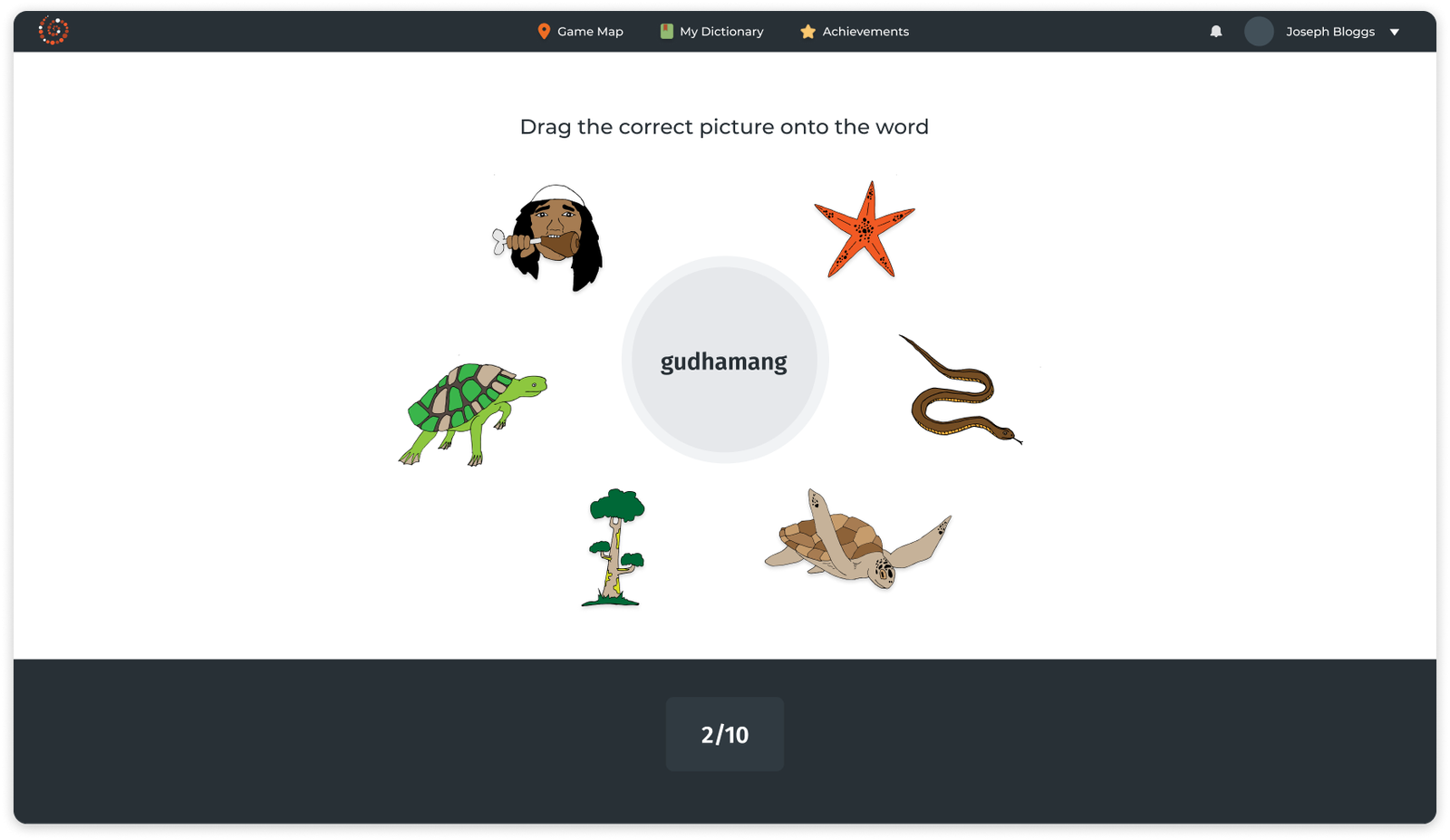
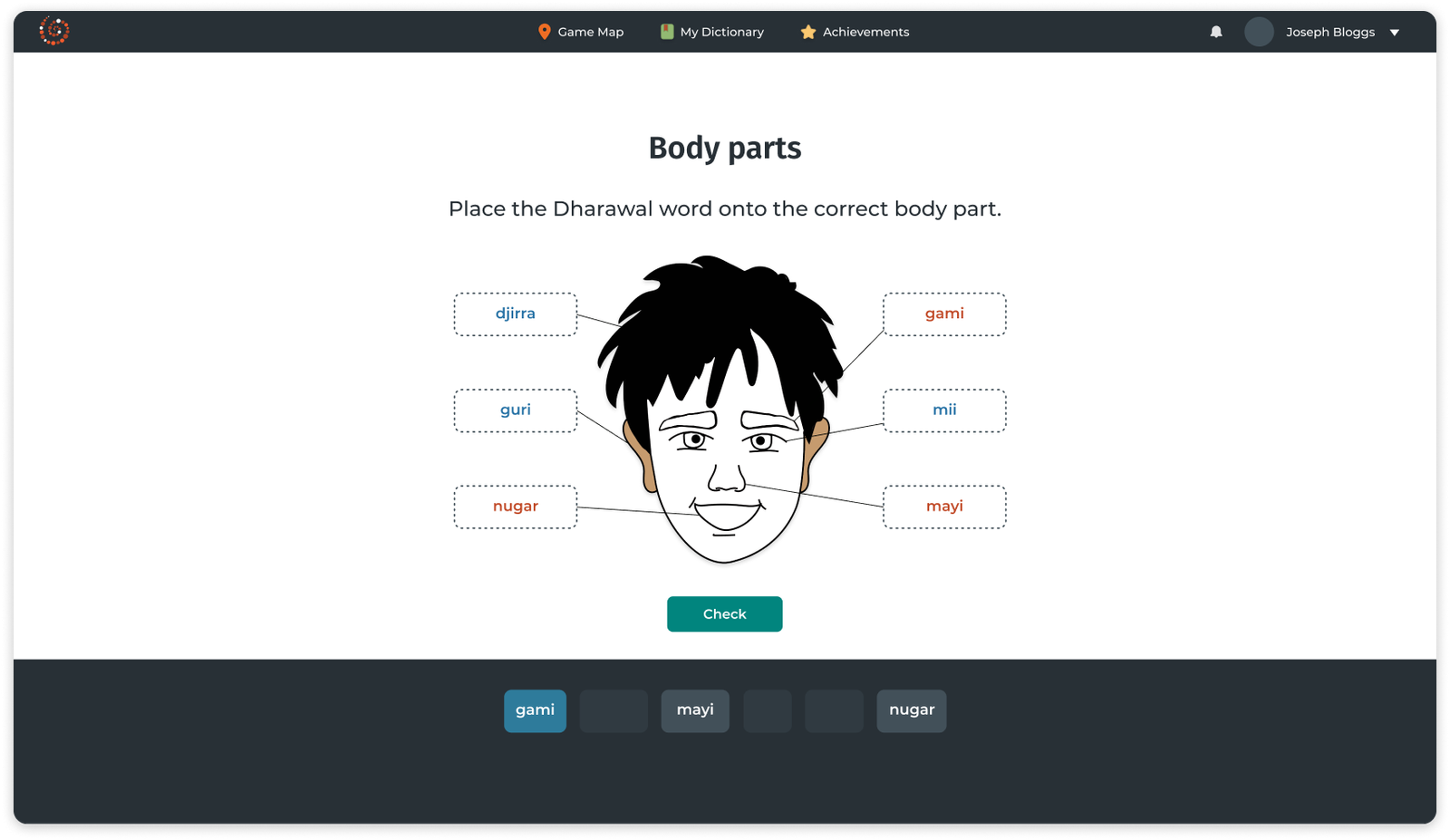
What about for one question in the level?
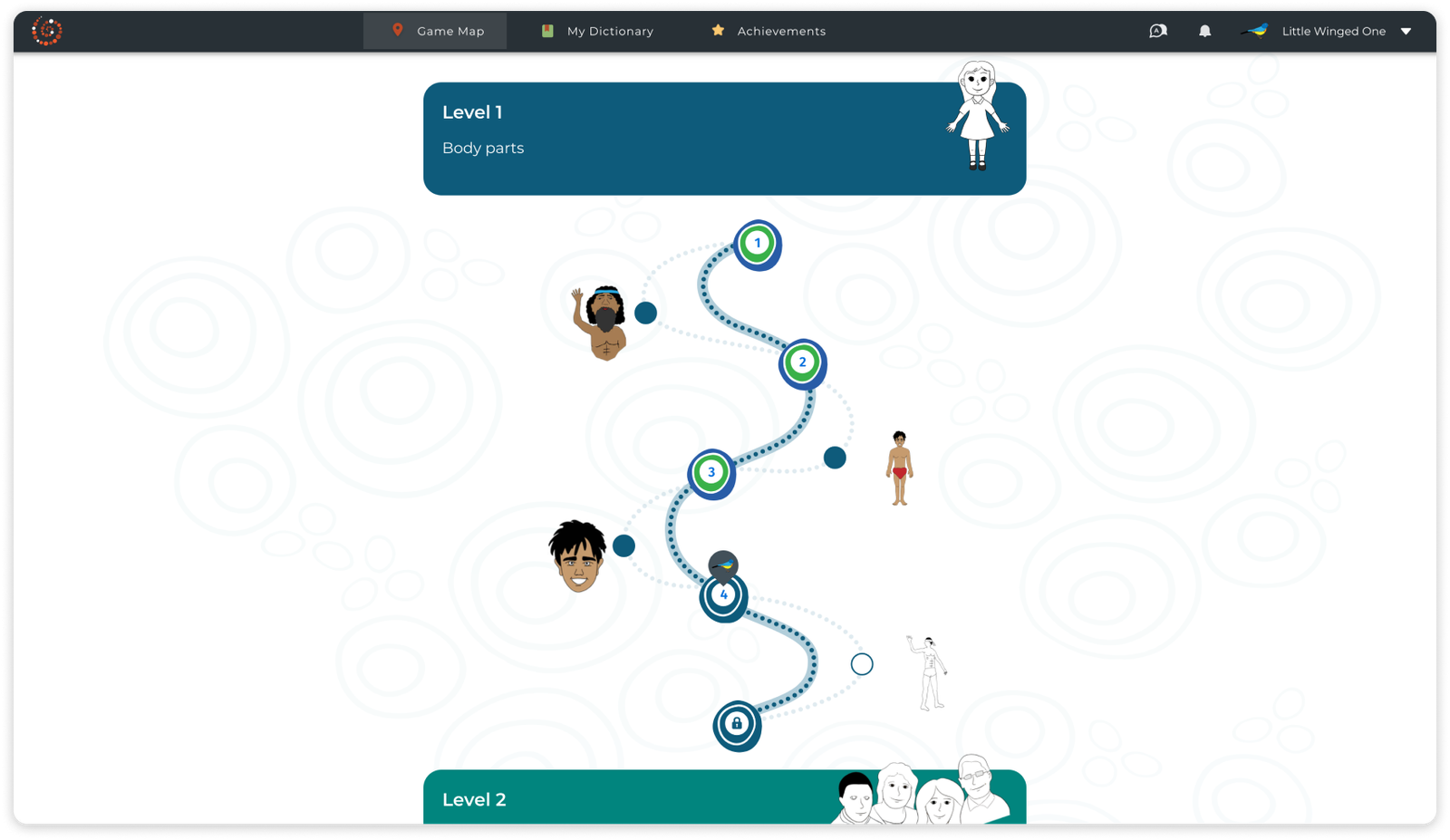
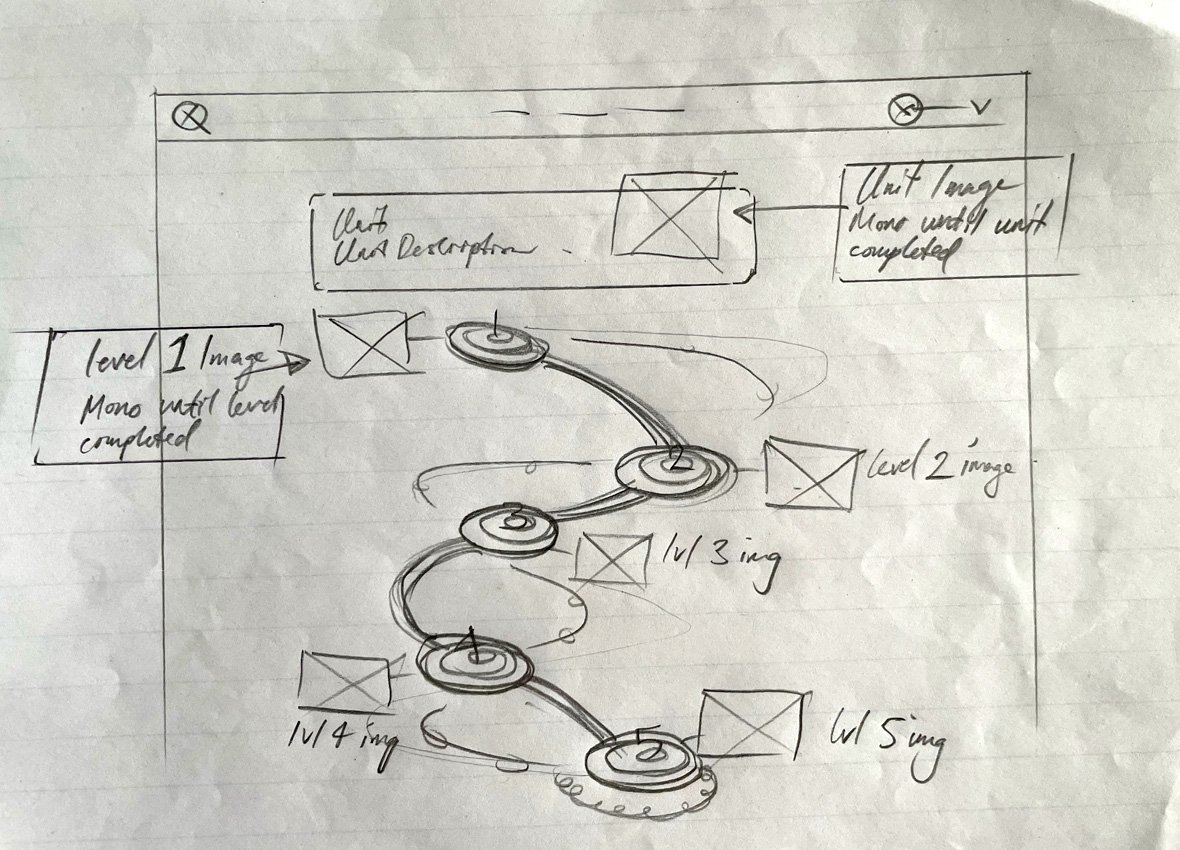
How would the player navigate through the levels?
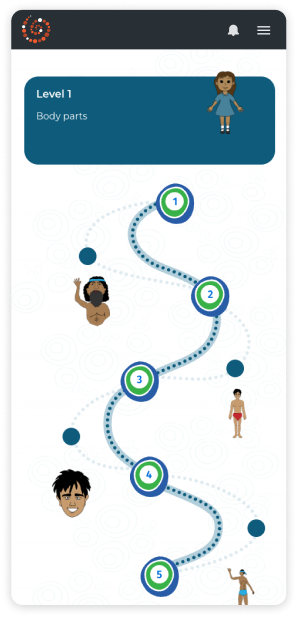
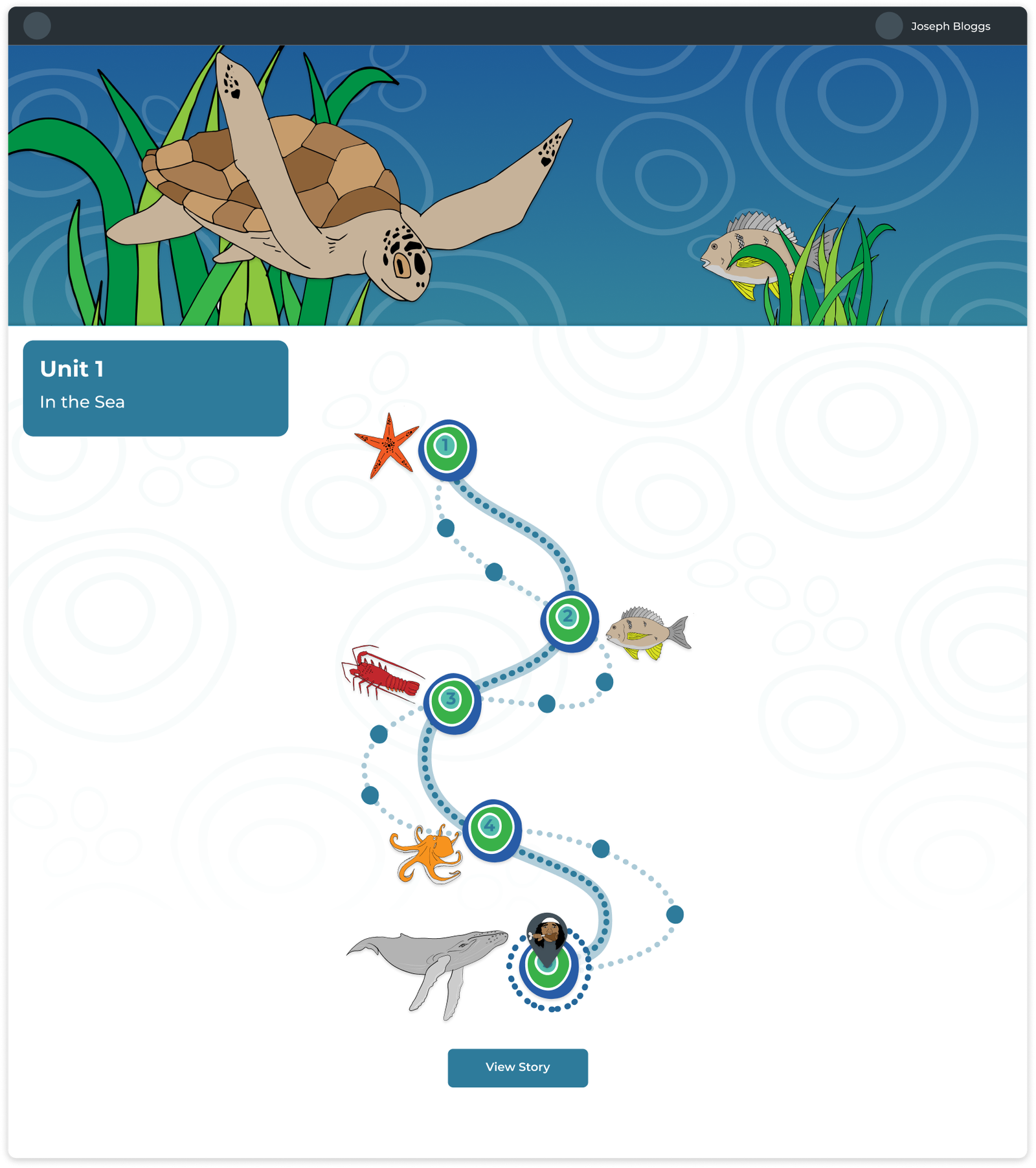
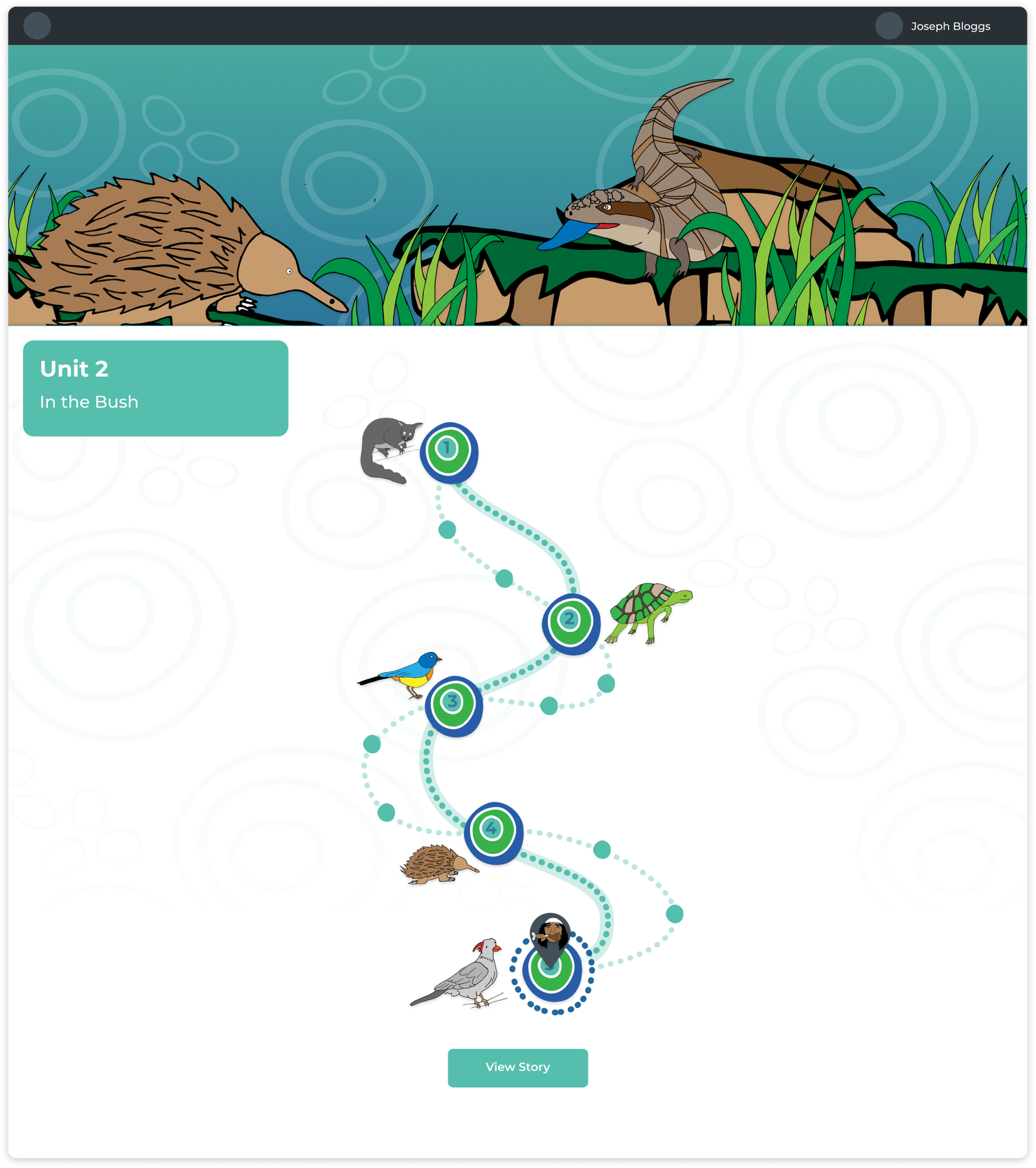
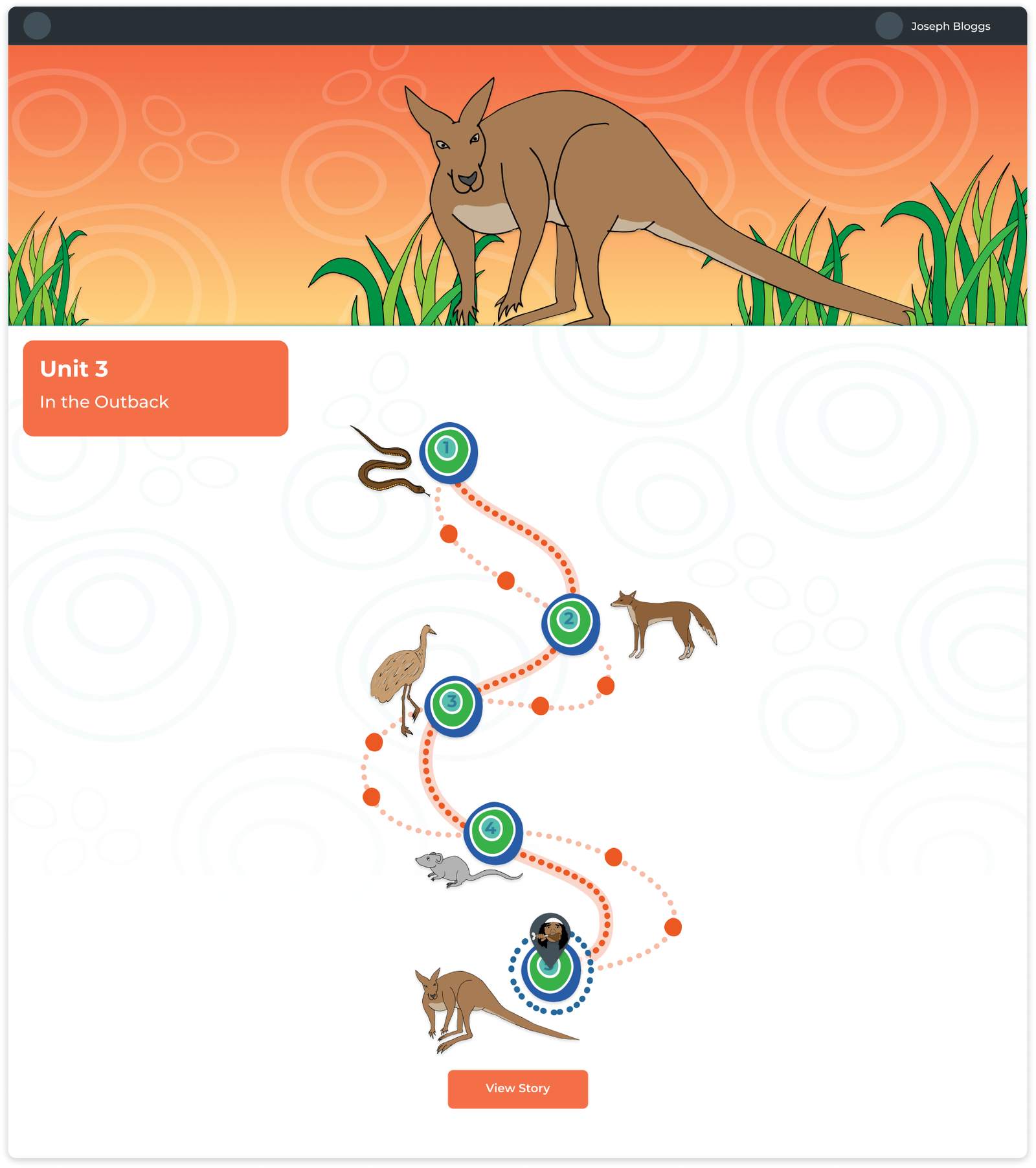
Drawing inspiration from games such as Candy Crush Saga and Super Mario World, I started sketching out a path with stop points like you’d see on a map.
The path was organic and winding to convey the theme of Aboriginal Australia. Loose concentric circles represented each stop point, borrowing from Aboriginal art symbols.
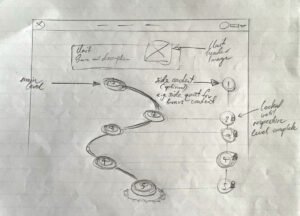
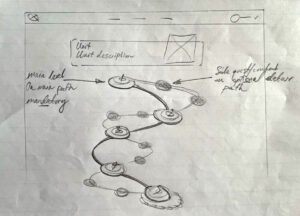
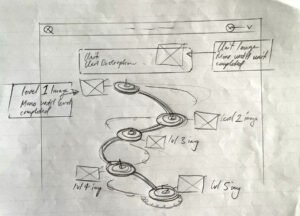
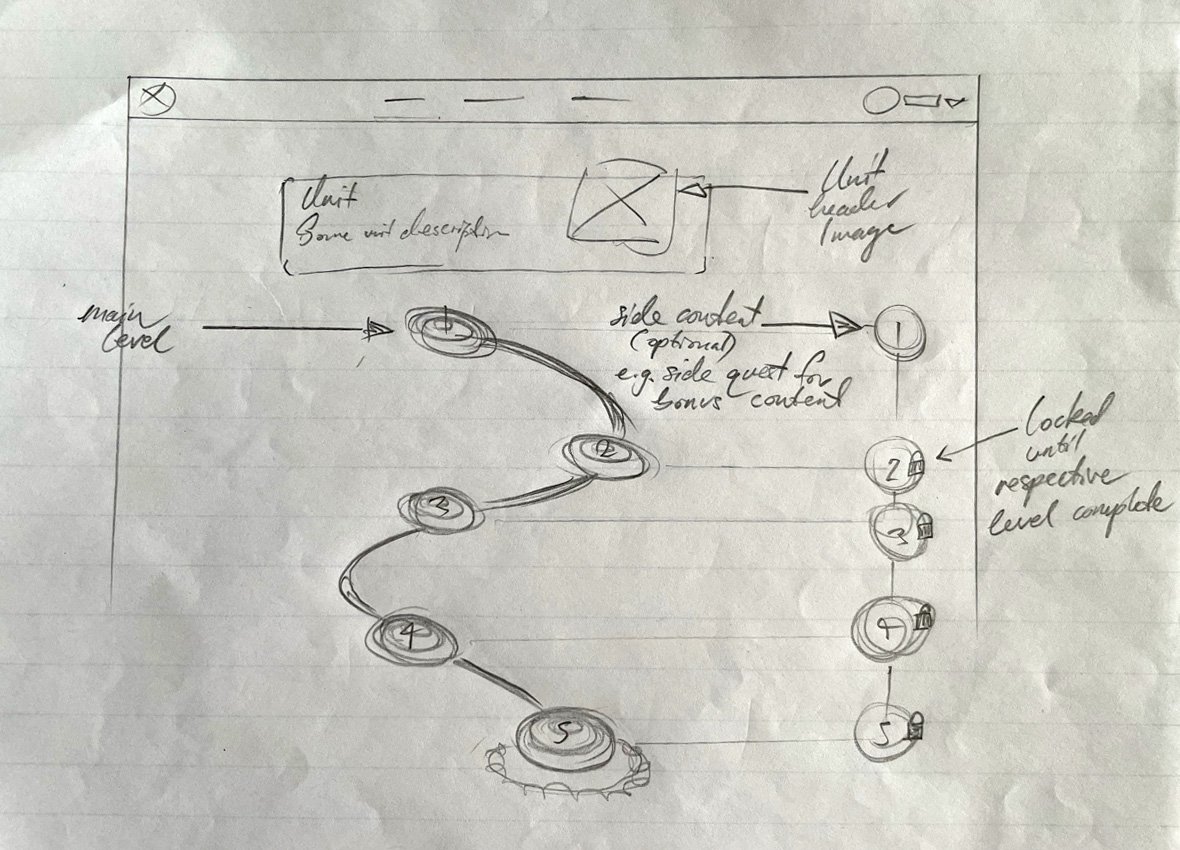
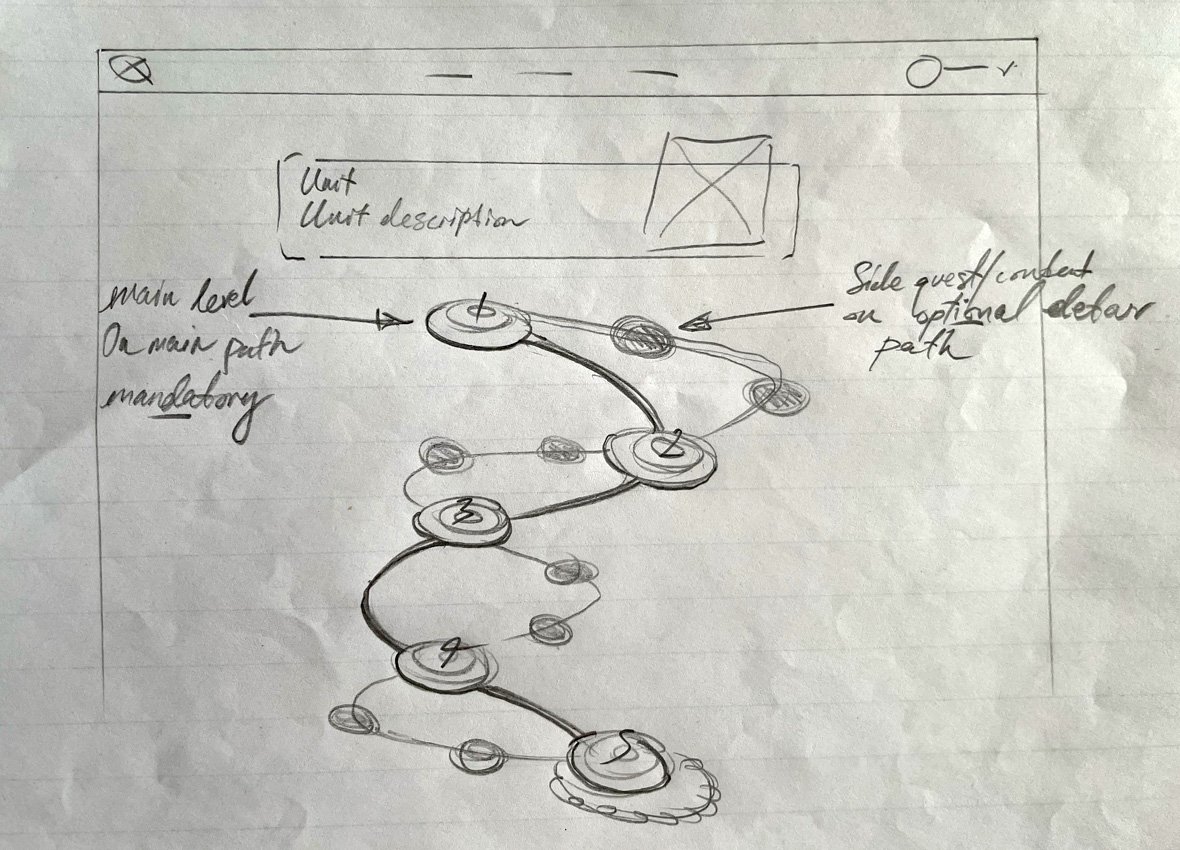
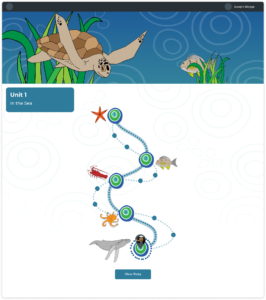
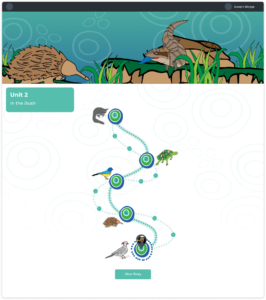
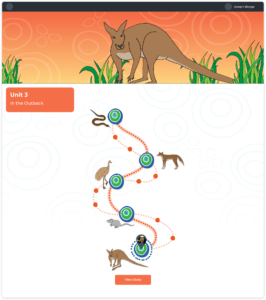
Like Super Mario World, I initially wanted to separate the units into themes or ‘worlds’. To begin with, I decided upon 3 sample worlds that were Australian-themed: In the sea, In the bush and In the Outback. Early on each was a separate screen but later it was unified into one.
Testing
As well as testing in-house with the team, we set up user accounts for tutors at the Gujaga foundation to test the app and give feedback or report issues.
Iteration
Based on testing and feedback or changing circumstance, there were many instances of revision …
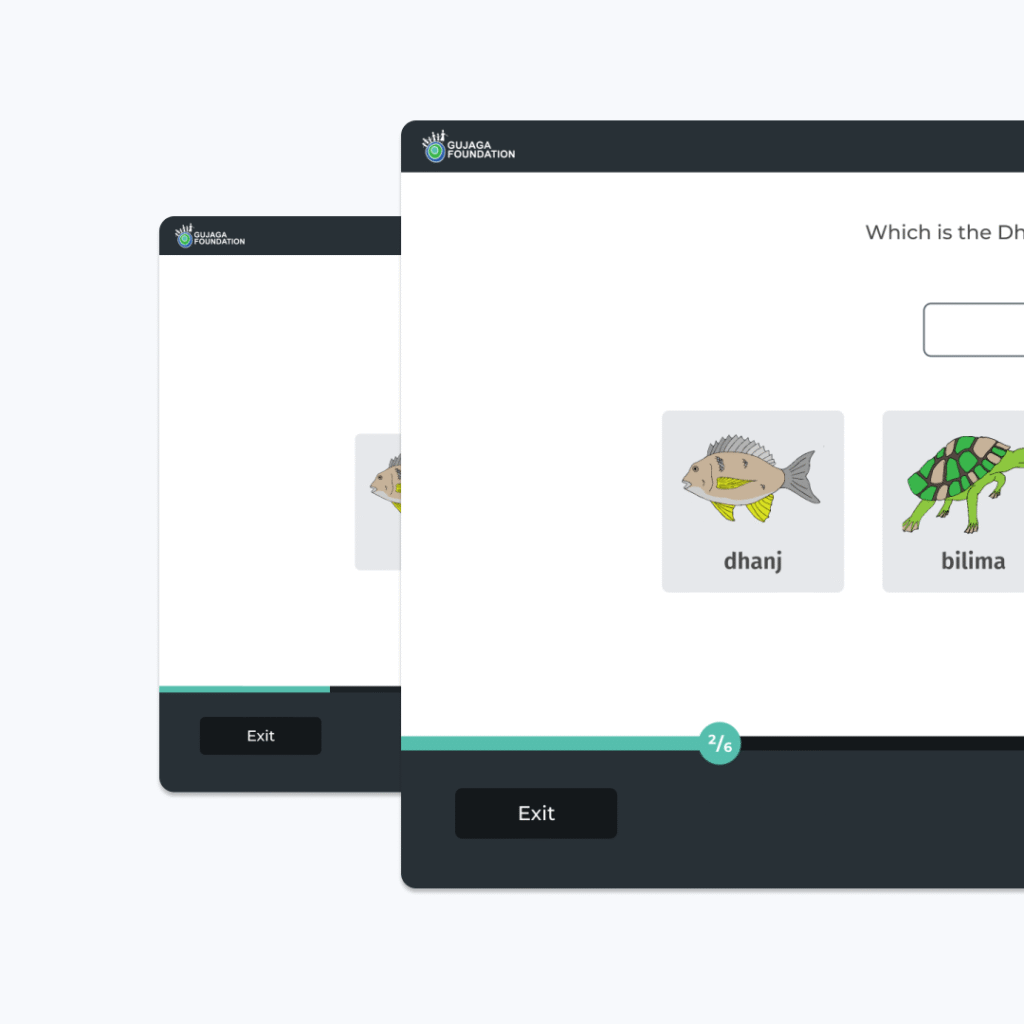
Game sequence progress line
The level progress indicator was initially a simple line that filled in as the player progressed through the level.
Feedback was that players were feeling unsure of how far through they were and wanted to know how many questions were left to answer.
We made the line slightly thicker and added a small marker displaying the number of questions over the total to make this clearer.
Changes to the game map
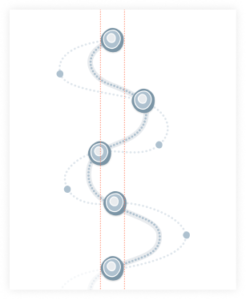
Upon advice from lead developer we designed units to have a set number of levels to reduce complexity for phase 1 MVP.
In subsequent iterations, visual design adjustments were made to the map to accommodate an infinite flow.
Tweaks were also made to improve map readability.
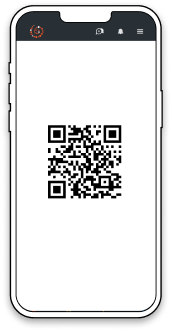
Addition of login QR code feature
Teacher test group feedback was that it was taking too long for the very young students to log in by typing in a password. Scanning a QR code with their iPad would be much easier for these students.
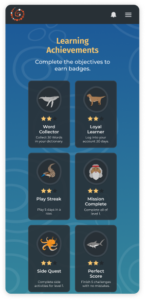
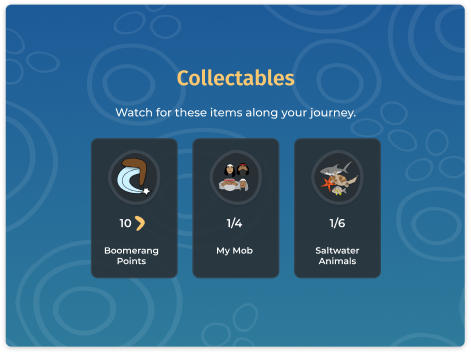
Adding collectables
Due to content delivery delays, we reduced the number of side activities and also introduced the concept of Collectables to add where there there was no side activity.
The player would now have an item to collect if there was no side activity content.
Reflections
Some initial ideas were simplified or left out altogether in order to reach a Minimum Viable Product within the outlined timeframe. I would have liked to further develop these to and include them in the app.
What I would want to do next is further refine the experience of the app on mobile devices.
Delays in receiving content needed to create the app
Communicating content requests in a more structured fashion and sitting with the client one-to-one to guide content creation were both helpful.
Asking permission to create some of the missing assets myself in-house (i.e. missing images). Consultation is important when creating a product for this audience.
Although the delays were frustrating, they were the catalyst for creating an easier way to add content, which led to some satisfying results.